Short version: the question is not just whether you can fly, but where. US airspace is shared, and a drone has to fit into it. This guide covers controlled versus uncontrolled airspace, the no-fly areas, and how to check a location before you launch.
Controlled versus uncontrolled airspace
Most low-altitude flying away from airports is in uncontrolled airspace, where you can operate under the standard rules. Near airports and in other controlled airspace, you need authorization first. For most operators that authorization is fast and often instant through LAANC, the system that grants airspace approvals for drones.
The places you generally cannot fly
- Around airports without authorization, and never in a way that interferes with crewed aircraft.
- Restricted and prohibited areas, such as military and security-sensitive sites.
- Temporary flight restrictions, which appear around events, disasters, and VIP movements.
- National parks, which prohibit launching and landing within park boundaries.
- Local restrictions, since states and cities can regulate takeoff, landing, and privacy even though the FAA controls the airspace itself.
Altitude and line of sight
The standard ceiling is 400 feet above ground level, or within 400 feet of a structure, and you keep the drone within visual line of sight unless you hold a waiver. These limits keep you clear of most crewed traffic.
How to check before you launch
Treat every new site as a fresh check. Use an FAA-approved app to see the airspace and any restrictions, request LAANC authorization if you need it, and scan for temporary flight restrictions. Confirm there are no local rules that limit takeoff or landing where you plan to fly. Our Part 107 guide and Remote ID guide cover the certificate and aircraft rules that go with this.
How Scanixx helps
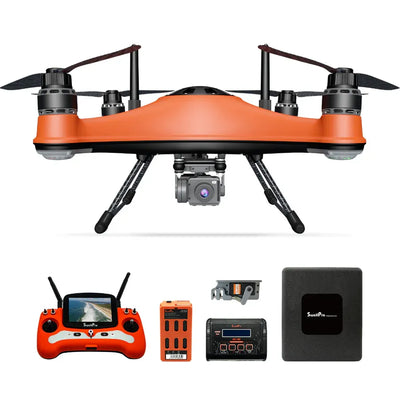
We help you choose aircraft that make compliant flying easier, with airspace tools and Remote ID built in. Browse our enterprise drones or request a quote.
This guide is general information for 2026, not legal advice. Airspace rules and restrictions change, so always verify the current FAA and local rules for your exact location before you fly.