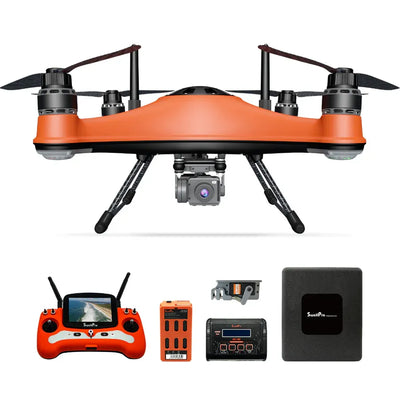
Short version: most drones flown in the United States must be registered with the FAA and must broadcast Remote ID. This guide explains what each one is, which drones need them, and the ways to comply.
Registration
The FAA requires registration of drones that weigh more than 0.55 pounds, which is 250 grams. How you register depends on why you fly. Recreational flyers register once and mark all of their drones with the same number. Operators under Part 107 register each aircraft individually. Either way, you keep proof of registration with you when you fly. Drones under 250 grams flown purely for recreation are generally exempt, but any commercial use under Part 107 still requires registration.
Remote ID
Remote ID works like a digital license plate for your drone. The aircraft broadcasts its identity and location during flight so that it can be identified from the ground. Any drone that has to be registered generally has to broadcast Remote ID.
Three ways to meet the Remote ID rule
- Standard Remote ID. The drone has the capability built in and broadcasts directly. Most current enterprise drones do this out of the box.
- Broadcast module. A small add-on you attach to an older drone so it broadcasts the required information.
- Fly in a FRIA. An FAA-Recognized Identification Area is a defined location where drones without Remote ID may fly without broadcasting, as long as you keep the aircraft within visual line of sight.
What this means when you buy
Most modern enterprise drones ship ready for Remote ID, so the practical step is to confirm a given model is compliant before you buy. Older or specialized aircraft may need a broadcast module added. If you are building a fleet, check that every airframe in it meets the rule.
Recreational versus commercial
Recreational flyers take the TRUST test and follow the recreational rules. Commercial flyers operate under Part 107. Registration and Remote ID apply to both once you are above the weight threshold, so they are the common baseline no matter how you fly.
How Scanixx helps
The enterprise drones we carry are built for compliant operation, and we will confirm the Remote ID status of any model before you commit. Browse our enterprise drones or request a quote.
This guide is general information for 2026, not legal advice. FAA rules and thresholds change, so verify the current registration and Remote ID requirements with the FAA before you operate.