Underwater Drones

-

 Sold out
QYSEA FiFish PRO V6 PLUS
Regular price $11,999.00Regular priceUnit price per -

 Sold out
QYSEA FiFish V6 Underwater Robot ROV - 4K Camera + VR Control
Regular price $1,699.00Regular priceUnit price per -

 Sold out
CHASING DORY Underwater Drone - Palm-Sized 1080 FHD ROV
Regular price $499.00Regular priceUnit price per -

 Sold out
CHASING GLADIUS MINI Underwater Drone - 4K Omnidirectional ROV
Regular price $1,099.00Regular priceUnit price per -
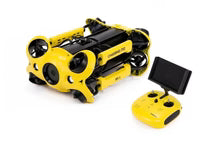
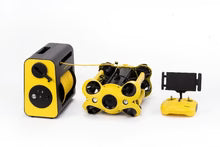 Sold out
CHASING M2 Underwater Drone - Omni-Movement 4K ROV
Regular price From $2,699.00Regular priceUnit price per


Questions, answered by drone specialists
How deep can an underwater drone go?
What is the difference between an underwater drone and an ROV?
What is the difference between CHASING and QYSEA underwater drones?
Can you use an underwater drone for commercial inspection?
How does the tether work and does it limit range?
Are underwater drones suitable for saltwater?

Choosing the right underwater drone for your operation
Underwater drones, also known as ROVs, have made professional subsea inspection and exploration accessible without a dive team or a crewed vessel. The right platform depends on your working depth, the clarity of your footage, and the tasks you need to perform, from recreational exploration to commercial hull surveys, aquaculture monitoring, and search and recovery. This collection brings together leading ROV brands including QYSEA FIFISH and CHASING, with 4K imaging, omnidirectional movement, and modular attachments such as grabber arms and sonar for serious inspection work.
For operators weighing the investment, an underwater drone replaces slow, costly, and often risky dive operations with a tethered system that delivers real-time 4K video from the surface. Working depth and range are set by the tether length, so spec matters as much as the platform itself. If you are comparing models, depth ratings, or accessories for marine inspection, aquaculture, or survey work, the Scanixx team verifies every spec against the manufacturer and helps you match the right ROV and tether to your operation before you commit. For commercial or multi-unit orders, we prepare custom quotes with volume pricing.
Find your drone match within a minute.
Answer a few quick questions about your operation and we will match you with the right system from our full range, or prepare a specialist quote within 24 hours.
- Built around your exact operation, budget and use case
- Matched against our full range with verified specifications
- Instant product match or a specialist quote within 24 hours


