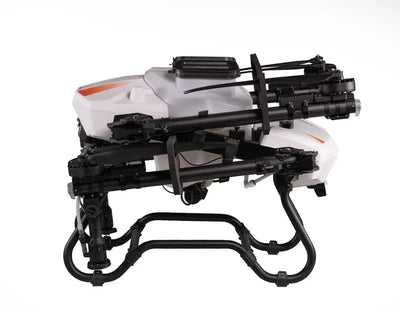
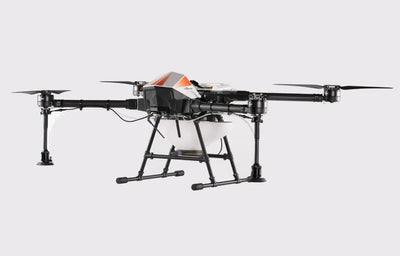
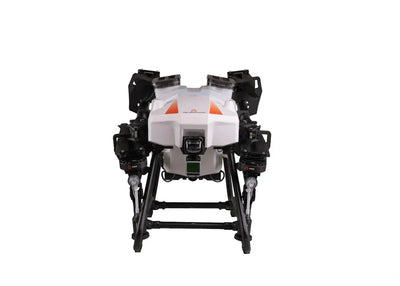
Short version: the best agriculture spraying drone is the one matched to your acreage, crops, and terrain, not the one with the biggest tank. This guide walks through how to size a system, what features actually matter in the field, and the US rules you have to follow before you spray.
Start with your land, not the drone
Before you look at any model, map your operation. How many acres do you cover in a season, and how are the fields shaped? Open row crops reward a large, fast system. Orchards, vineyards, terraced plots, and small or irregular fields often favor a compact, nimble aircraft that can fly tight lines and turn quickly. Terrain and obstacles, from trees to power lines, shape the choice as much as raw acreage.
Tank size and payload
A bigger tank carries more spray per pass, but it also makes the aircraft heavier, shortens flight time, and demands more battery and charging support. The right size is the one your logistics can keep feeding. If you cannot mix, refill, and recharge fast enough to keep a large drone flying, a mid-size system will often out-produce it over a full day.
Think in acres per hour, not liters
Headline tank capacity is the number everyone quotes, but real output depends on tank size, flow rate, spray width, and how quickly you can turn around and refill. Field shape and obstacles add or subtract time on every pass. When you compare models, compare realistic acres per hour for your fields, not just the tank.
Spraying and spreading
Many agricultural platforms do more than spray. With a spreader attachment they broadcast granules such as seed, fertilizer, and feed, which turns one aircraft into a year-round tool rather than a seasonal sprayer. If you need both jobs, look for a system with a proven spreading kit.
Precision features that earn their keep
- RTK positioning for repeatable, centimeter-level flight lines and even coverage.
- Terrain-following radar so the aircraft holds a steady height over slopes and uneven ground.
- Obstacle sensing to work safely near trees, poles, and structures.
- Route planning and variable rate so you can fly a field automatically and apply more or less based on a prescription map.
Pair the drone with crop-health imaging and you can treat only the zones that need it, which is where the input savings come from.
Power and logistics are part of the decision
Batteries, a generator, and fast chargers are not afterthoughts. A spraying operation lives or dies on turnaround time, so plan the support kit alongside the aircraft. The cheapest drone with a slow charging setup can become the most expensive choice once you count downtime.
The US rules you must follow
Spraying drones are regulated more heavily than camera drones. In the United States you generally need:
- An FAA Part 107 Remote Pilot Certificate to fly commercially.
- A Part 137 agricultural aircraft operator certificate to dispense pesticides and other economic poisons.
- An exemption for aircraft over 55 pounds, which covers many large spraying drones.
- Remote ID where applicable.
On top of the aviation rules, applicators must follow the EPA pesticide label and state pesticide regulations, and many states require a commercial applicator license. Confirm the current requirements with the FAA, the EPA, and your state before you operate.
A simple way to choose
- Map your acreage, crops, and field shapes.
- Set a realistic acres-per-hour target for a full working day.
- Size the tank and the support kit together to hit that target.
- Add only the precision features your fields actually need.
- Line up your Part 107, Part 137, and applicator requirements early.
How Scanixx helps
Tell us your acreage and crops and we will size a spraying system you can run all season, support kit included. Browse our agriculture drones or request a quote.
This guide is general information, not legal or regulatory advice. Drone and pesticide rules change and vary by state, so verify current FAA, EPA, and state requirements before you operate.