Short version: batteries are the part of a drone program that most often limits your day and wears out your investment. Good habits protect both your flight time and the lifespan of your packs. Here is how to manage them in the field.
Understand what you are working with
Most drones run on lithium-polymer packs. They are powerful but sensitive to heat, cold, overcharging, and deep discharge. Treat them as consumables with a finite cycle life rather than as permanent parts of the aircraft, and you will plan replacements before they cause problems.
Charging
Charge with the manufacturer's charger, in a safe area, and stay nearby while it happens. Let a pack cool after a flight before you recharge it, because charging a hot battery is hard on it. Avoid charging packs to full days ahead of a job, since sitting at full charge ages them faster.
Storage
Store packs at a partial charge, not full and not empty, in a cool and dry place. Long stretches at full or empty shorten their life. Many smart batteries automatically discharge themselves to a storage level after a set number of days, and that behavior is intentional, not a fault.
Temperature in the field
Cold weather cuts the available capacity and voltage of a pack sharply, so warm batteries to their operating range before you fly in winter. Heat is the bigger long-term enemy, so keep packs out of direct sun and never leave them in a hot vehicle. Temperature management is often the difference between a pack that lasts a season and one that lasts years.
Cycle care
- Land with a safety reserve instead of flying a pack down to empty.
- Inspect for swelling, puffiness, or damage, and retire any pack that shows them.
- Track how many cycles each pack has so you can replace it before it fails in the air.
Plan power for the whole day
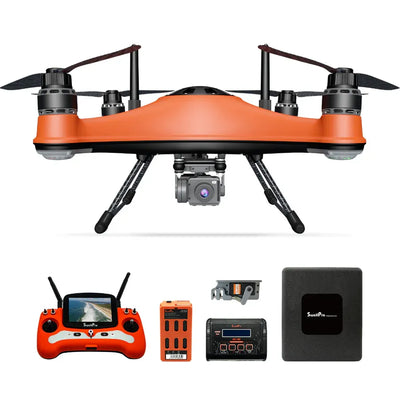
Work out how many flights the job needs, multiply by the packs each flight uses, and add margin for cold, wind, and any reflights. Then bring enough charging capacity to keep packs cycling through the day, including a generator if you are working off-grid. The power and charging kit is part of the job, not an afterthought, and planning it well is what keeps a crew productive from morning to dusk.
A quick battery checklist
- Packs charged to the right level for the day, inspected for damage.
- Charger and power source ready, generator if off-grid.
- Packs kept within their temperature range on site.
- Enough packs and charging to cover flights plus margin.
- Cycle counts tracked, tired packs retired.
How Scanixx helps
We supply genuine batteries and chargers and can spec a power kit sized to a full day's work. Browse our enterprise drones or request a quote and tell us your typical day in the field.
This guide is general best practice. Always follow your battery and aircraft manufacturer's specific guidance for charging, storage, and handling.