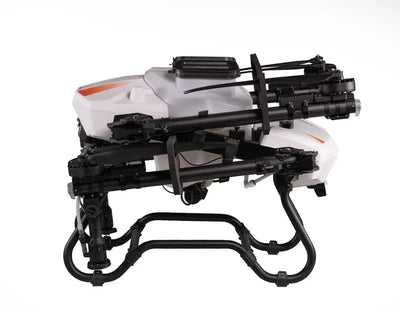
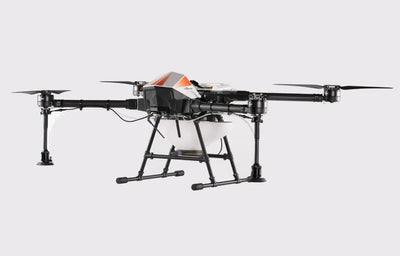
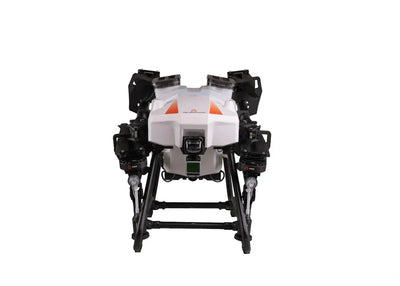
1. Are agricultural drones legal in the United States?
✅ Yes. Agricultural drones are legal in the U.S. under FAA regulations. Farmers must follow Part 107 rules, which include pilot certification, operating below 400 feet, and keeping the drone within visual line of sight.
2. How much do agricultural drones cost?
Prices vary depending on size, features, and capabilities. Entry-level agriculture drones start around $3,000–$5,000, while professional crop spraying drones with advanced imaging and larger payloads can cost $10,000–$30,000 or more.
3. What crops benefit most from drone technology?
Agricultural drones can be used for almost any crop, but they are especially effective for corn, soybeans, wheat, vineyards, and orchards. Drones help detect disease, monitor irrigation, and optimize fertilizer application across all crop types.
4. How do drones help reduce farm costs?
Drones provide precision spraying and real-time crop health analysis, reducing pesticide and fertilizer usage by up to 30%. This saves money on inputs while also preventing over-application and waste.
5. Do I need a license to operate an agricultural drone?
Yes. In the U.S., anyone operating a drone for commercial purposes—including agriculture—must have an FAA Remote Pilot Certificate (Part 107 license). Training and testing are required, but certification is straightforward.
6. Can drones really improve crop yields?
Absolutely. Studies and real-world results show farms using drones often see a 10–20% increase in yields within the first season. Early detection of crop stress, pests, and irrigation issues leads to healthier, more productive fields